JAMES MCNEILL WHISTLER
"All art is quite useless."
%2FJames%2520McNeil%2520Whistler%252C%2520Framed.png&w=2048&q=75)
James McNeill Whistler
1 / 12
1834 – 1903
AMERICAN
TONALISM / AESTHETICISM
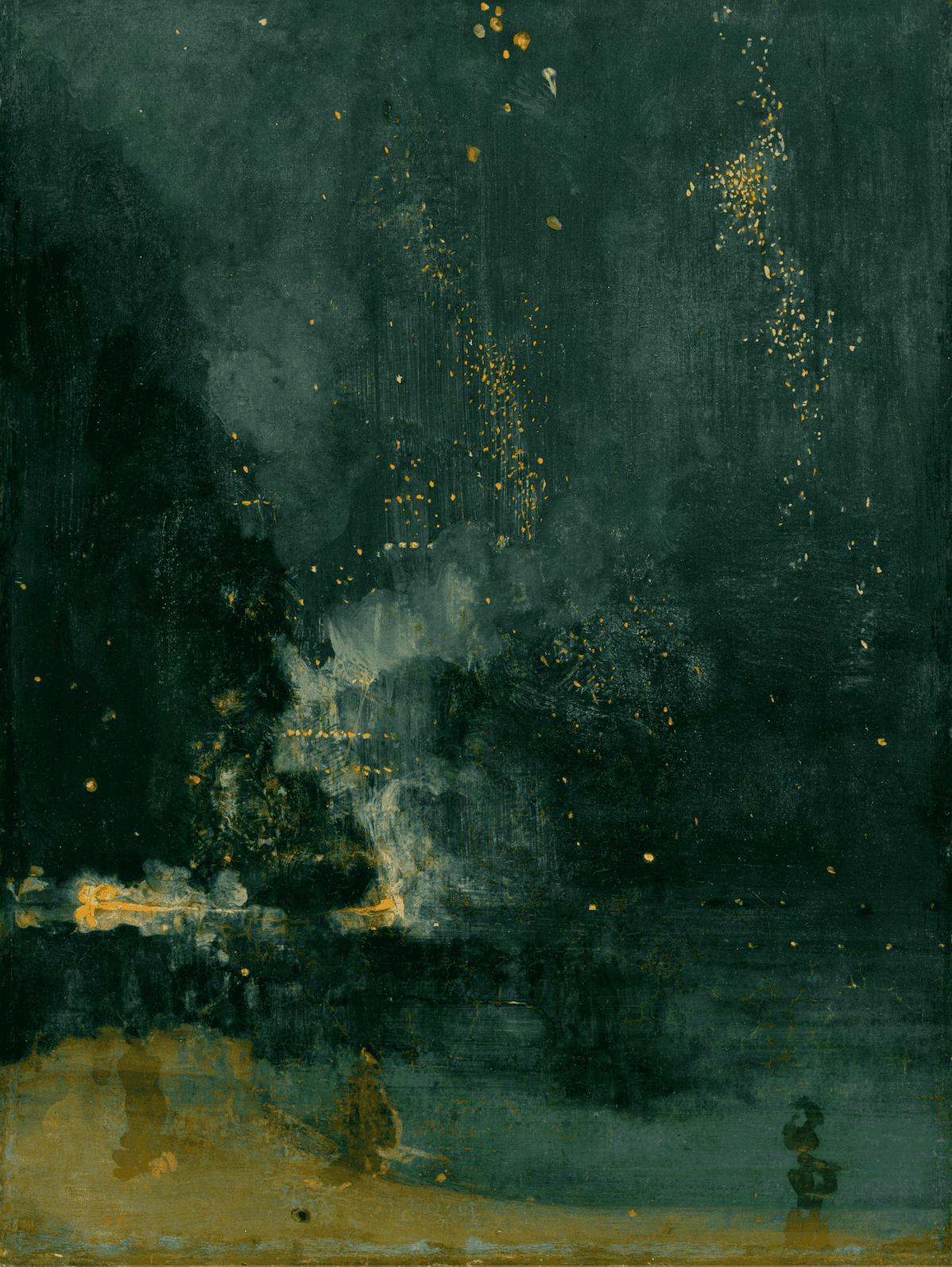
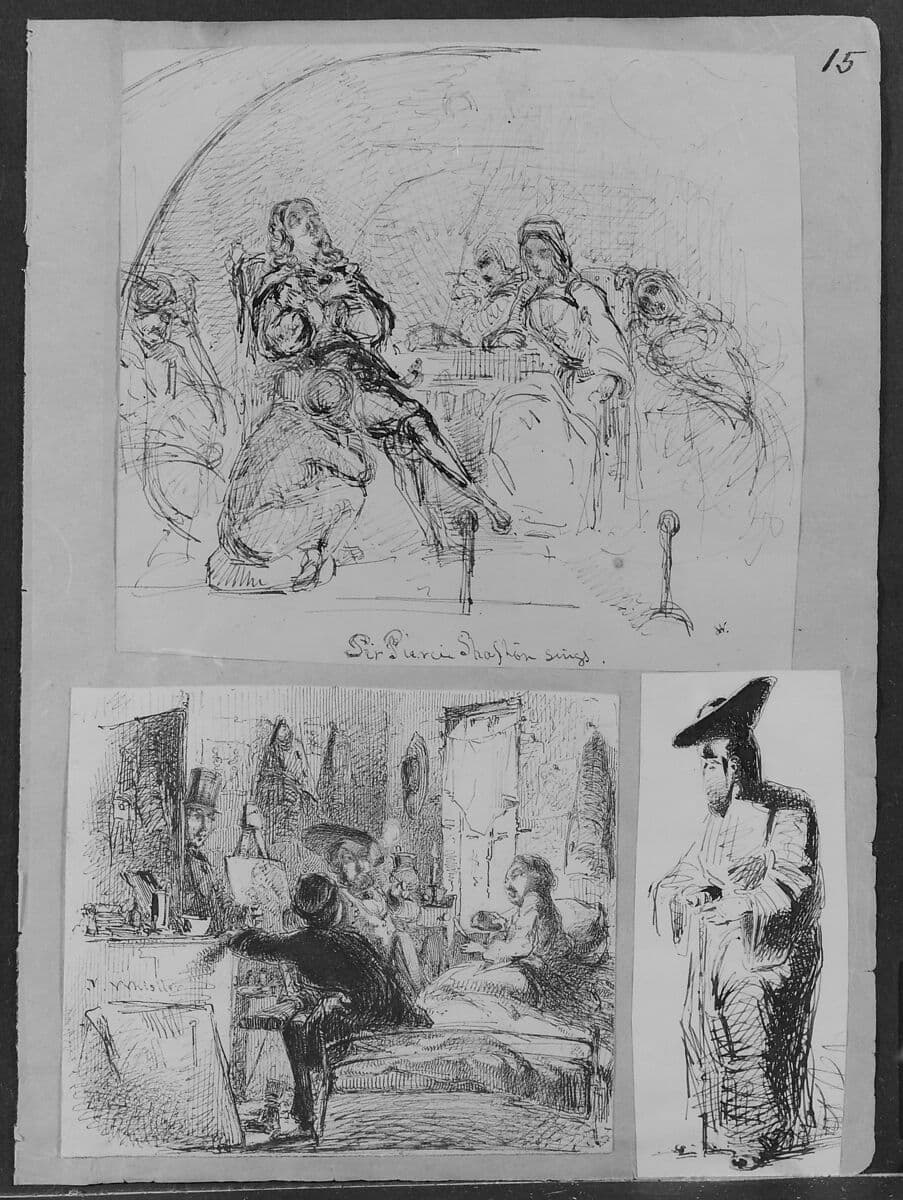
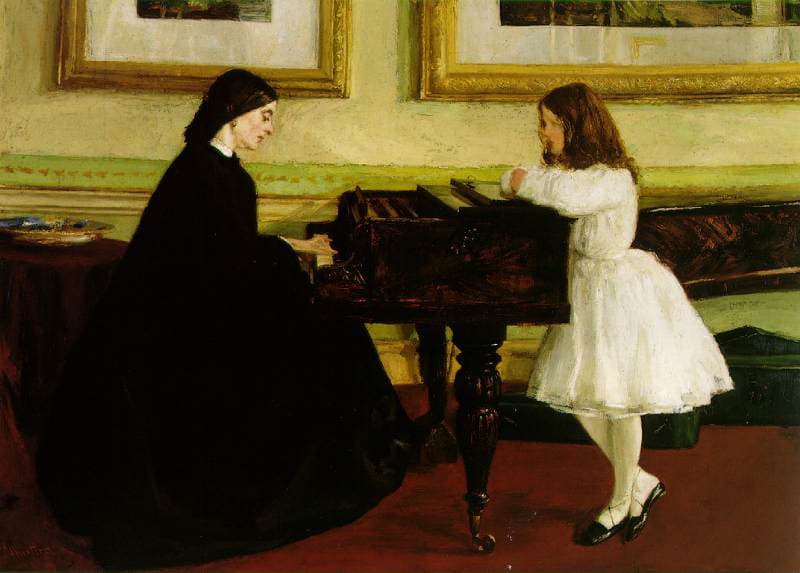
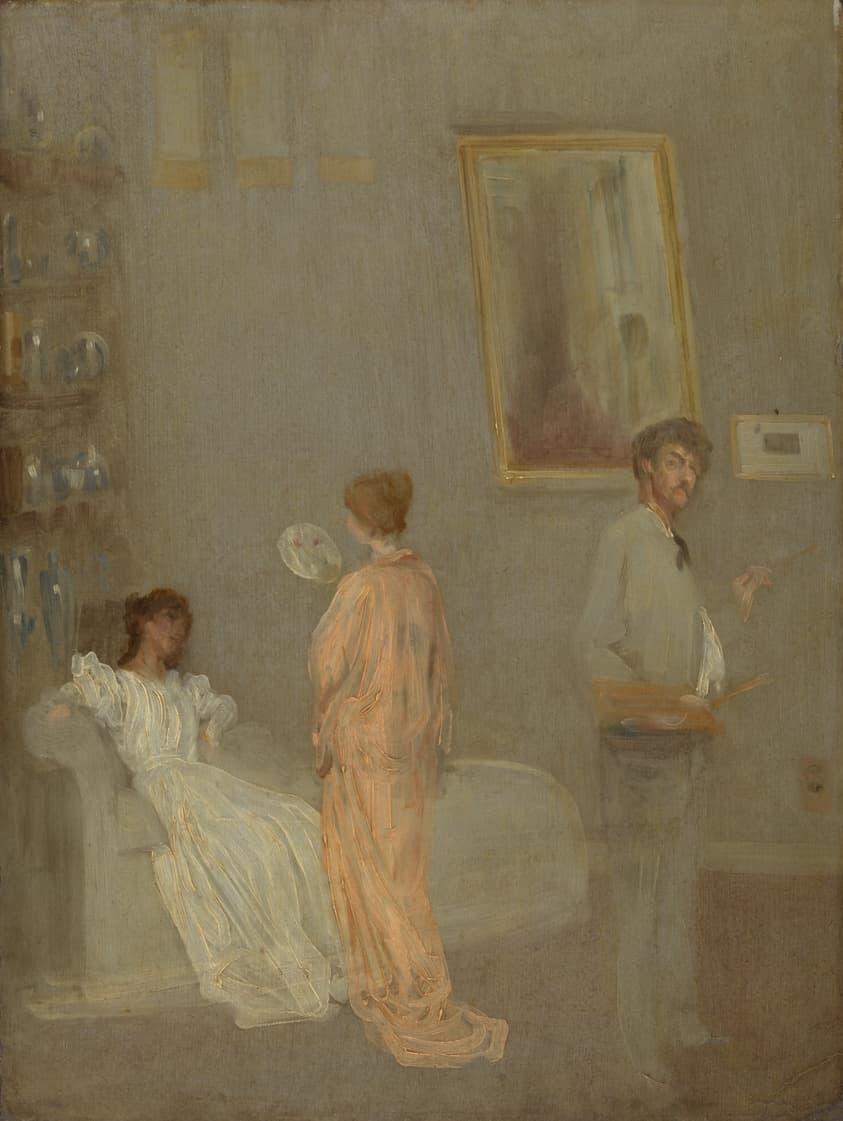
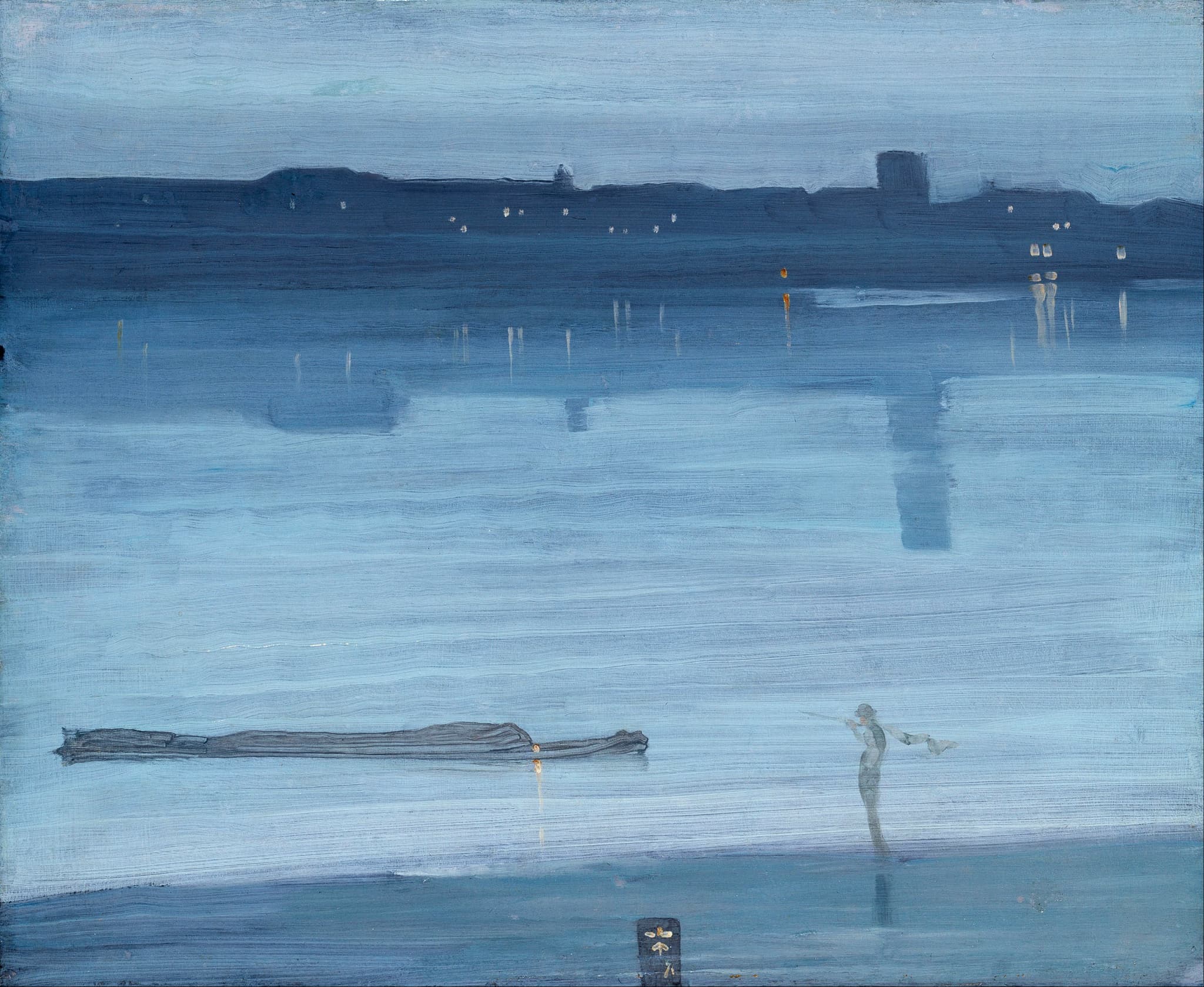
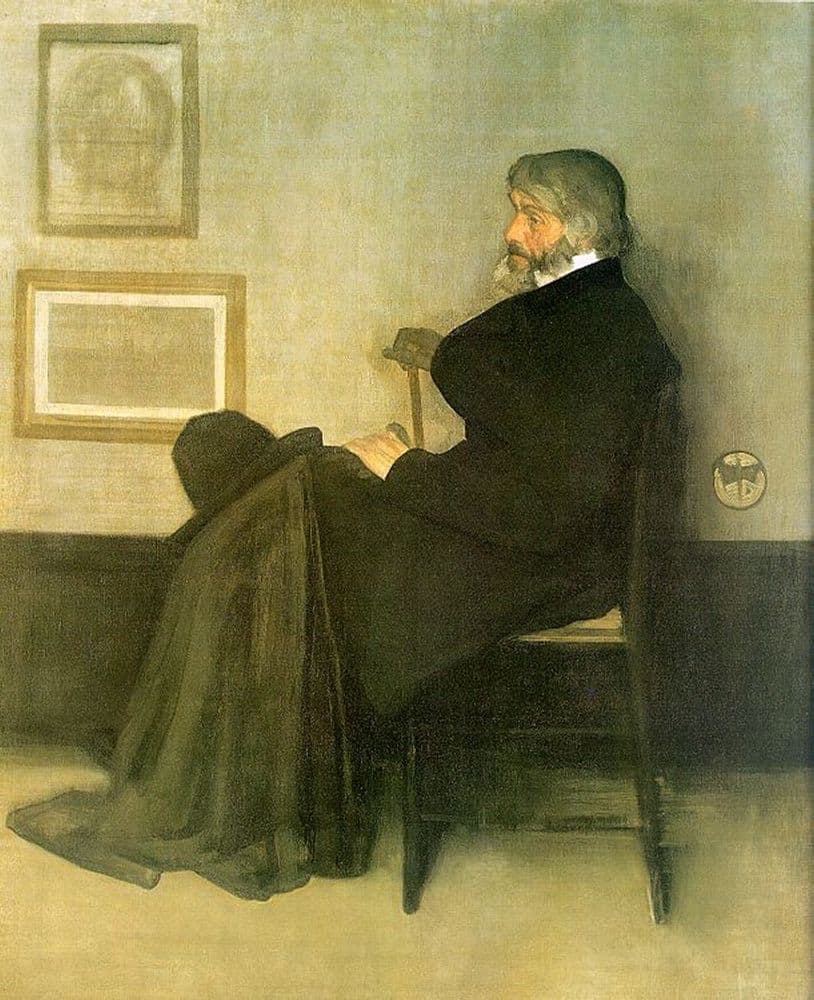
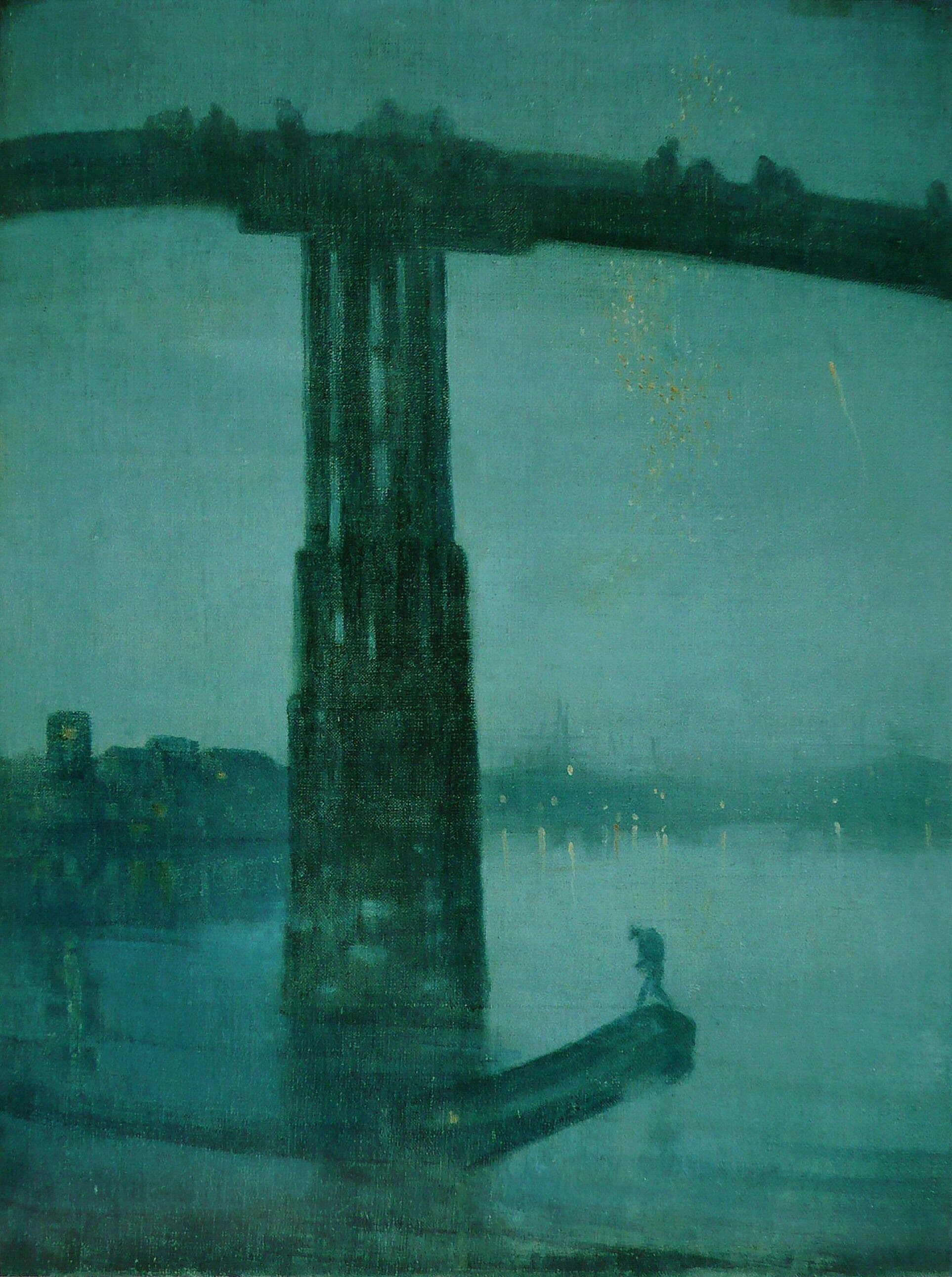
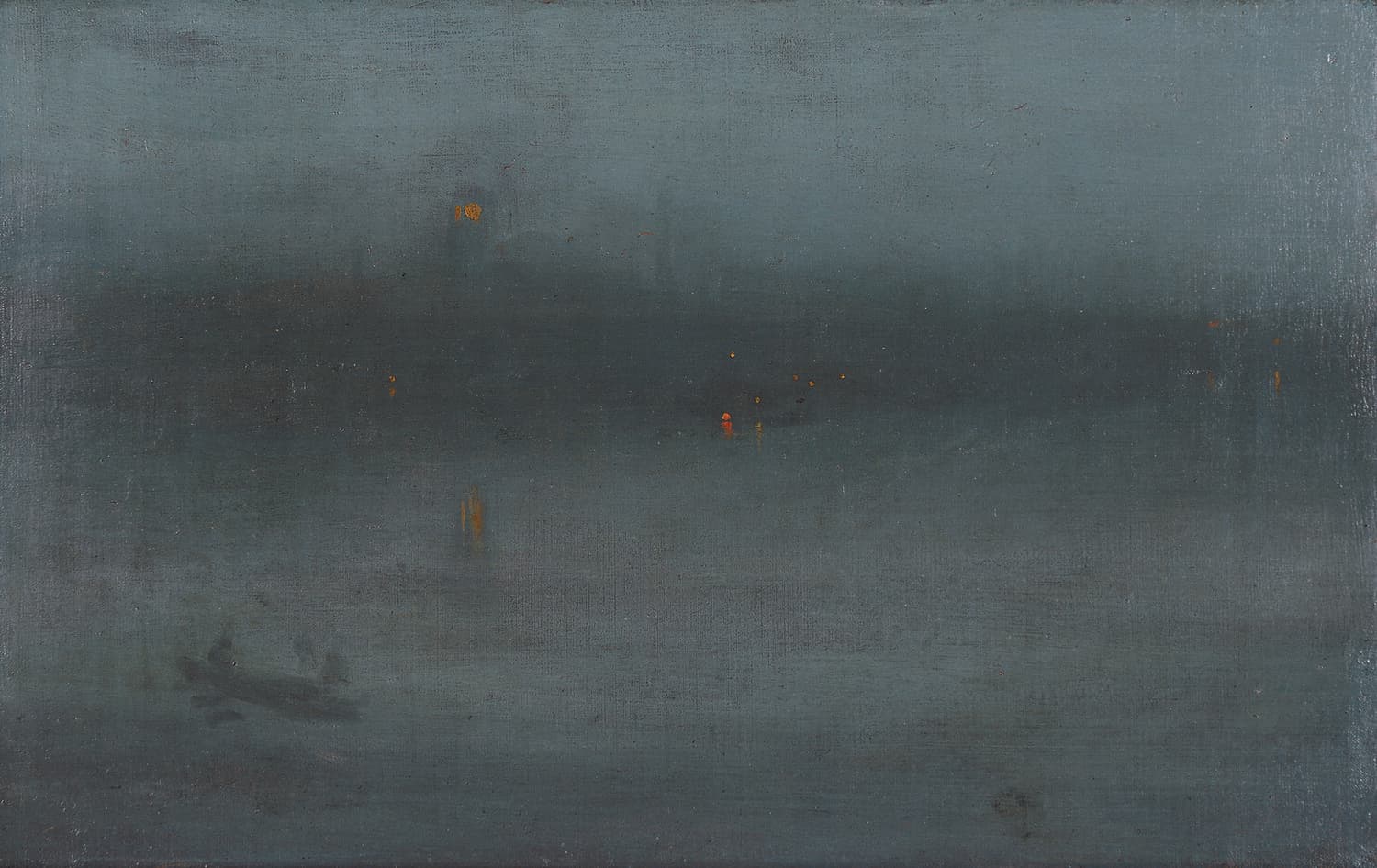
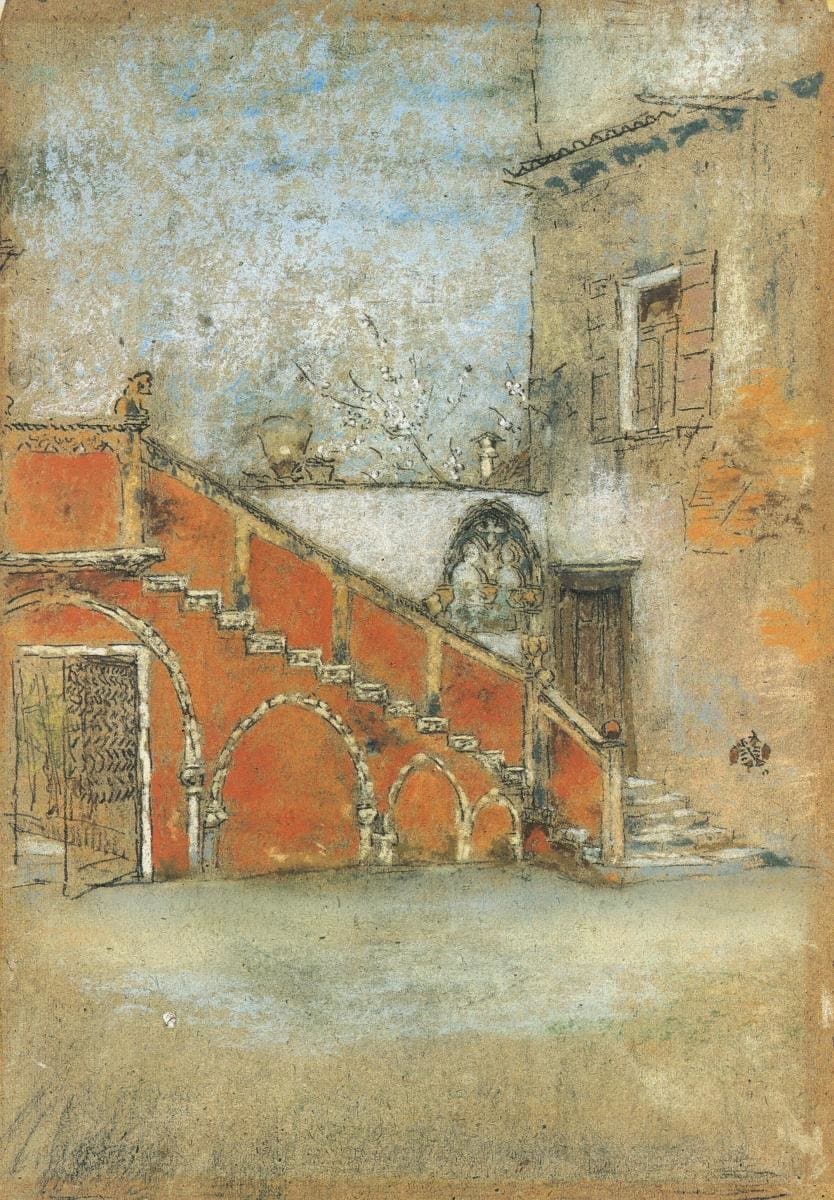
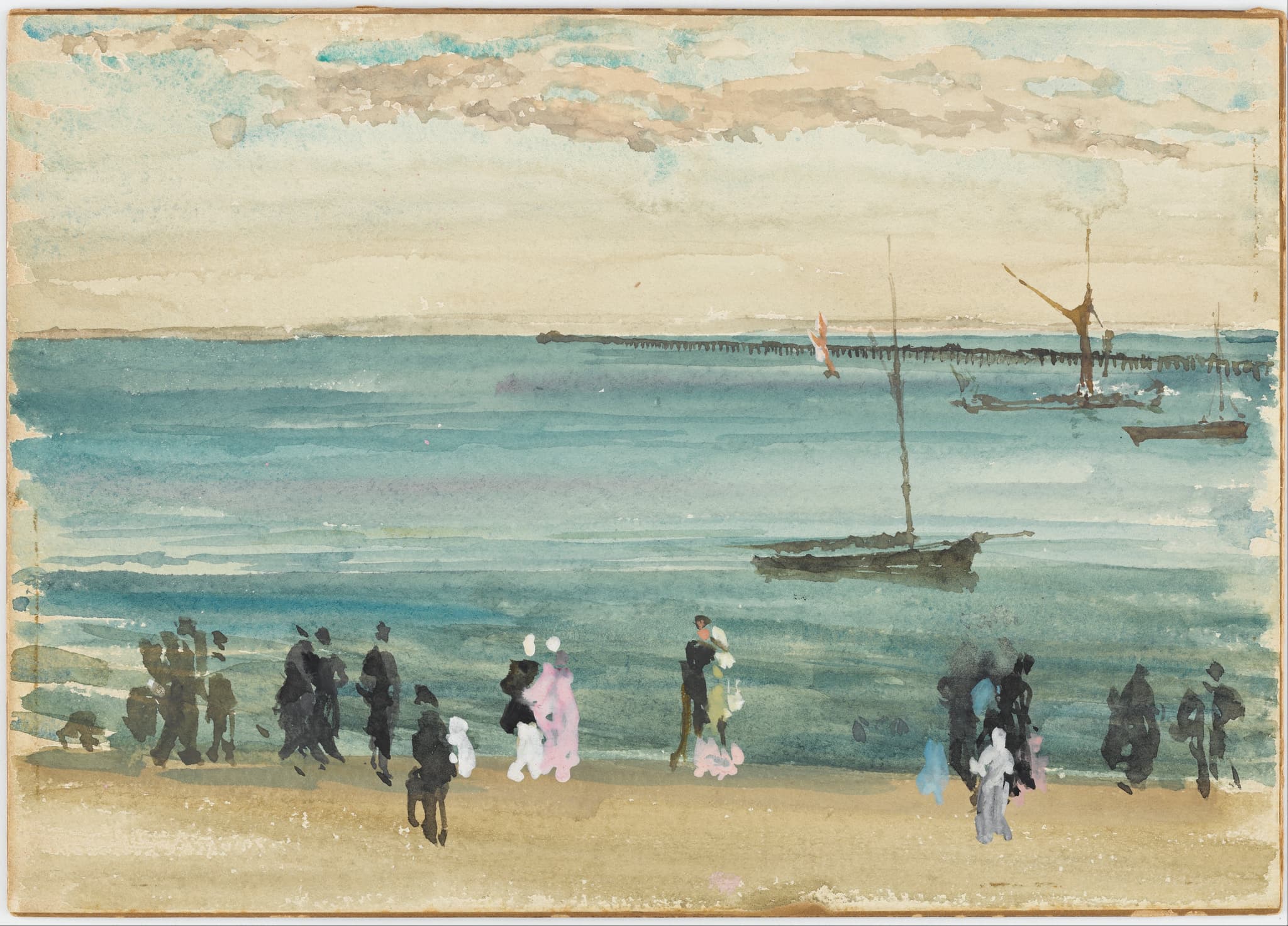
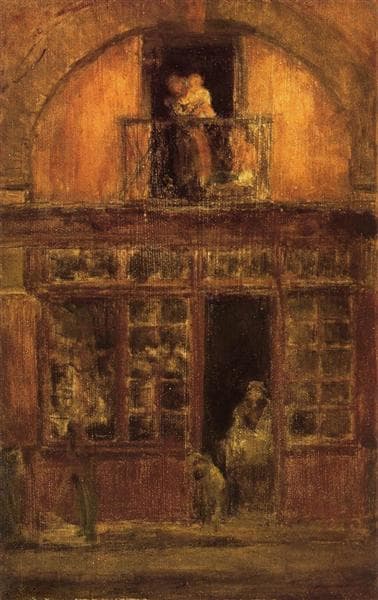
James McNeill Whistler was an American-born painter and printmaker known for his subtle tonal harmonies and innovative approach to portraiture and landscape. Whistler studied in Paris and later in London, where he developed a distinctive style that emphasized mood, composition, and the interplay of color and tone rather than strict realism. He became especially known for his nocturnes—evocative, atmospheric cityscapes and river scenes—and for refined portraits such as Whistler's Mother, which combined restrained palette with formal elegance. His subjects ranged from intimate domestic interiors to misty views of the Thames, all characterized by a contemplative, almost musical quality. Deeply influenced by Japanese art, Realism, and the aesthetic theories of the time, Whistler's work championed the principle of "art for art's sake," setting him apart from his contemporaries who prioritized narrative or moral content. Though his iconoclastic style provoked both praise and scandal, his art later became highly influential, particularly for modernists and Symbolist painters who admired his poetic use of color and composition.